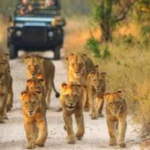
The Great Wildebeest Migration is one of Africa’s most remarkable wildlife events. Every year, large herds of wildebeest, zebras, and other grazing animals move through the Serengeti–Maasai Mara ecosystem in search of fresh grass and water. Their movement attracts predators such as lions, cheetahs, and crocodiles, creating exciting wildlife-viewing opportunities.
For travelers planning a safari, When is the Great Migration in Kenya? is an important question because the timing can influence where you stay, how long you travel, and which activities you prioritize.
The migration generally reaches Kenya around July and may continue through October, although the exact timing changes with rainfall and grazing conditions. The Maasai Mara National Reserve is the main Kenyan destination for visitors hoping to see the herds, but a well-planned holiday can also include Amboseli, Tsavo, Lake Nakuru, and Lake Naivasha.
Poundvester Safaris, a Nairobi-based tours and travel company, helps visitors plan safari packages, accommodation, transport, flights, and customized itineraries suited to their interests and schedules.
When Is the Great Migration in Kenya at Its Peak?
The Great Migration follows seasonal rainfall and the availability of fresh grazing. Although the animals move throughout the year, their arrival in Kenya is commonly associated with the middle and later months of the year.
July to October: The main migration season
From around July, wildebeest and zebras may begin entering the Maasai Mara from Tanzania’s Serengeti ecosystem. Herds often remain in the greater Mara region through August and September, with some continuing into October.
These months are popular because visitors may see large herds moving across the plains, predators hunting, and animals gathering near rivers. However, wildlife movements do not follow a strict calendar. Rainfall patterns can bring the herds earlier or later than expected.
Are river crossings guaranteed?
No. The Mara River crossings are among the most famous scenes associated with the migration, but they are unpredictable. Animals may gather along the river for some time before crossing, change direction, or move to another crossing point.
Travelers should avoid planning an entire safari around a guaranteed crossing on a particular date. Spending several days in the area improves your opportunities to observe different wildlife activities, but no guide or tour operator can promise a specific natural event.
What Happens During the Great Migration Throughout the Year?
Understanding the annual cycle helps you decide which part of the journey interests you most.
- January to March: Many herds are found in the southern Serengeti and surrounding areas of Tanzania, where seasonal grazing conditions can support calving.
- April to June: The herds generally move through different parts of Tanzania as they search for fresh pasture. Rainfall influences their routes and speed.
- July to October: Many animals move into the Maasai Mara ecosystem in Kenya, making this a popular period for migration-focused safaris.
- November to December: With changing rainfall and grazing conditions, herds may begin moving back towards Tanzania.
These are broad seasonal patterns rather than fixed dates. The migration is a continuous, moving cycle, and individual herds may follow different routes.
Why Is the Maasai Mara the Best Place to See the Migration in Kenya?
The Maasai Mara is the principal Kenyan destination for visitors interested in the Great Migration. Its open grasslands support wildlife viewing, while the wider ecosystem provides habitat for wildebeest, zebras, elephants, giraffes, lions, cheetahs, and other animals.
Game drives offer opportunities to observe wildlife at different times of day. Early mornings can be productive for spotting active predators, while afternoon drives provide further opportunities to explore the reserve and its surroundings.
When choosing accommodation, consider whether you prefer a lodge or tented camp inside the reserve, in a nearby conservancy, or in the surrounding area. Locations differ in access, atmosphere, cost, and applicable conservation or park fees. Check what is included in your package before booking.
For migration-focused travel, staying in a suitable location for several nights may help reduce unnecessary travel and allow more time for game drives.
Which Other Destinations Can You Add to Your Kenya Safari?
The Maasai Mara is a natural focus for migration viewing, but combining it with other destinations can make your holiday more varied.
What can you experience in Amboseli National Park?
Amboseli is well known for its elephant herds and views of Mount Kilimanjaro when weather conditions are clear. It is a good addition for travelers interested in photography, elephants, and different landscapes.
However, Amboseli is not a primary destination for the Great Wildebeest Migration. Consider it for the wider Kenyan safari experience rather than as a place to follow the migration herds.
Why visit Tsavo East and Tsavo West?
Tsavo East and Tsavo West offer extensive wilderness, varied scenery, and opportunities to see elephants, lions, giraffes, zebras, and other wildlife. They are suitable for travelers who have additional time and want to explore different national parks.
Because these parks are spread across a large area, allow sufficient time for road travel when combining them with the Maasai Mara.
Is Lake Nakuru worth including?
Lake Nakuru National Park is known for rhinos, Rothschild’s giraffes, buffaloes, and birdlife. Flamingo numbers vary with environmental conditions, so large gatherings should not be expected on every visit.
The park can be a useful stop for visitors who want to see more of Kenya’s wildlife beyond the Mara ecosystem.
What makes Lake Naivasha different?
Lake Naivasha offers a quieter experience focused on freshwater scenery, birdwatching, and selected boat trips where conditions and local regulations permit. Nearby attractions can also provide a break from traditional game drives.
It may fit well into a longer itinerary that includes the Great Rift Valley and other destinations.
Which Safari Package Is Right for You?
The right package depends on your interests, budget, group size, and preferred level of comfort.
Private safaris
Private safaris give couples, families, and small groups greater flexibility over their schedules and game drives. They can be useful for photographers or travelers who want to spend more time on particular wildlife sightings.
Group safaris
Group packages can suit solo travelers and visitors who enjoy sharing the experience. Confirm the departure dates, group arrangements, accommodation, and included activities before making a booking.
Budget and luxury safaris
Budget packages may use more affordable accommodation and transport arrangements, while luxury options may include premium lodges or tented camps and additional comfort. Compare the full package details rather than judging by accommodation descriptions alone.
Family and honeymoon safaris
Families should consider suitable rooms, meal arrangements, journey lengths, and age restrictions for activities. Couples may prefer a quieter camp, private game drives, or a personalized itinerary.
How Many Days Should You Plan for the Great Migration?
A short safari of two or three days can provide a valuable introduction to the Maasai Mara, particularly for visitors with limited time. However, a longer stay gives you more opportunities for game drives and reduces the pressure to see everything quickly.
For a migration-focused trip, consider spending several nights in or near the Mara. This allows more time to explore different areas and respond to changing wildlife movements.
If you also want to visit Amboseli, Tsavo, Lake Nakuru, or Lake Naivasha, add enough days to account for driving time and activities. A realistic itinerary is usually more enjoyable than trying to visit too many parks in a short holiday.
How Should You Plan Accommodation and Transport?
Accommodation availability can be limited during popular migration months, so early planning is useful. Choose a lodge or camp based on your preferred comfort level, location, meals, and access to game drives.
Road safaris allow visitors to enjoy Kenya’s countryside and can work well for multi-park itineraries. Domestic flights may be appropriate for travelers who want to reduce travel time between selected destinations, depending on schedules, availability, and budget.
Poundvester Safaris can assist with safari transport, hotel bookings, flight arrangements, and airport transfers. The team can also help coordinate group travel and MICE services for organizations arranging meetings, incentive trips, conferences, or events alongside a Kenyan holiday.
How Can You Make the Most of Your Migration Safari?
Good preparation helps you travel comfortably and make the most of your time in the reserve.
- Pack comfortable layers, including a light jacket for cool early mornings.
- Carry sunscreen, a hat, and binoculars for outdoor wildlife viewing.
- Bring a camera if you want to photograph the herds and other animals.
- Follow your guide’s instructions and maintain a respectful distance from wildlife.
- Confirm park fees, meals, transfers, accommodation, and game drives included in your package.
- Check current travel and entry requirements before departure.
- Keep some flexibility in your expectations because wildlife movements and weather can change.
Most importantly, remember that the migration is a natural event rather than a scheduled performance. Even when a river crossing does not happen during your stay, the Mara offers many other opportunities to appreciate Kenya’s wildlife.
Frequently Asked Questions
1. What is the best month to see the Great Migration in Kenya?
July, August, September, and October are commonly considered the main months for seeing migration herds in the Maasai Mara. The best month in a particular year depends on rainfall and animal movements.
2. How long should I stay in the Maasai Mara during migration season?
Several nights are helpful if you want more opportunities to observe the herds and other wildlife. Two or three days can work for a short visit, but a longer stay allows greater flexibility.
3. Can I see the Great Migration with my family?
Yes. Families can enjoy migration safaris by choosing suitable accommodation, a comfortable vehicle, and an itinerary that matches their children’s ages and needs. Check age restrictions for specific activities before booking.
4. Can I combine the migration safari with other Kenyan parks?
Yes. You can combine the Maasai Mara with destinations such as Amboseli, Tsavo, Lake Nakuru, or Lake Naivasha. The best route depends on your available time and preferred activities.
5. Should I book my migration safari early?
Booking in advance is recommended for popular travel periods because accommodation and transport options may become limited. Early planning also gives you more time to compare packages and choose suitable travel dates.
Contact Poundvester Safaris in Nairobi on +254 799 365993 or email info@poundvestersafaris.com to plan or book your safari.